
01Robotics Development
From mechanism to intelligent motion.
Custom humanoid, legged, wheeled and manipulation systems for startups and companies worldwide. We connect mechanical architecture, hardware design, embedded firmware, motion control and robot software so the machine works as a complete system.
Discuss a robotics project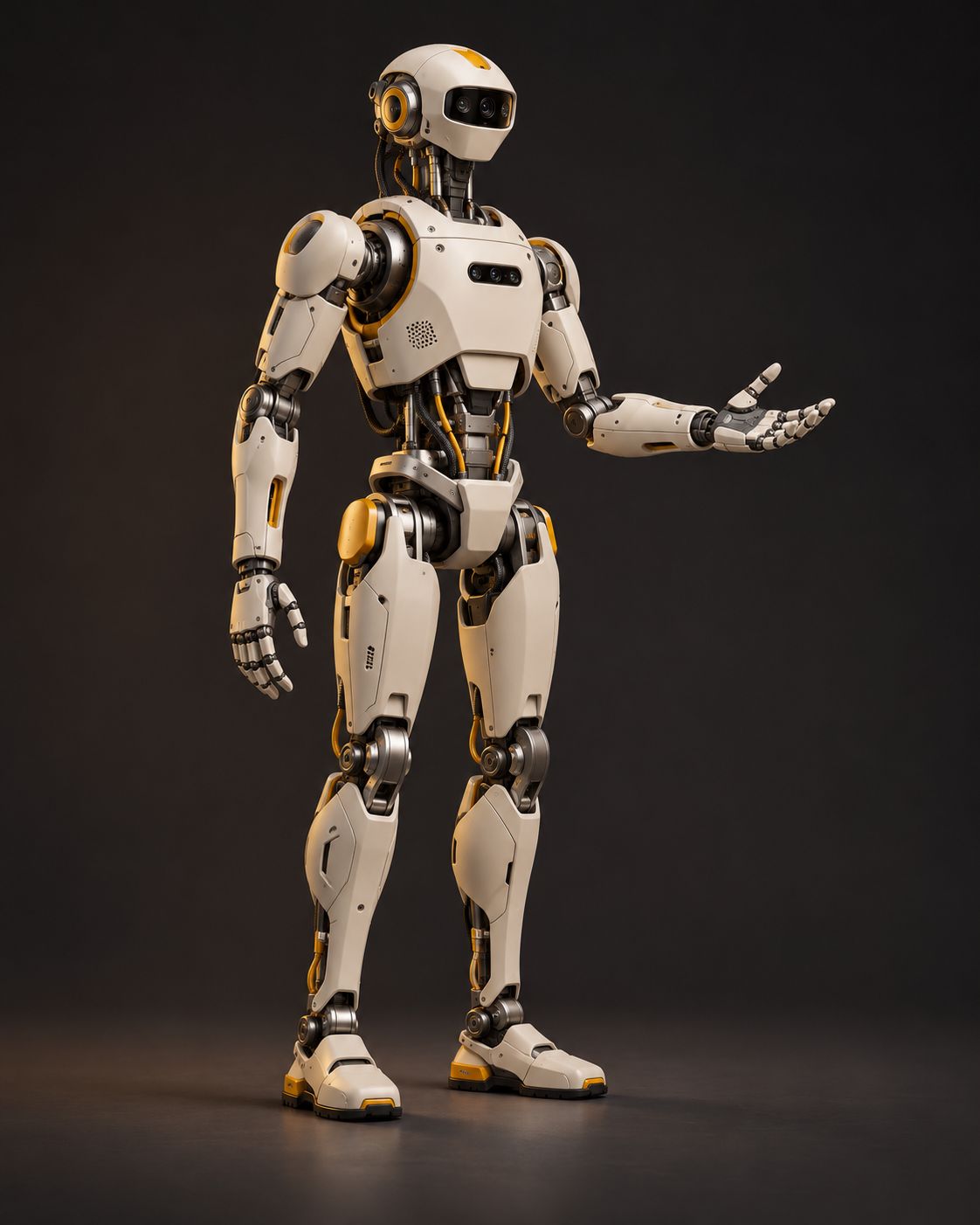
APlatforms
Platforms we develop
Four families of robot, plus related robotic devices discussed case by case. Every project is scoped around its own task, environment and development stage.
Humanoid platforms
Mechanical and joint architecture, actuation, sensing, embedded electronics and system integration for full-body or upper-body robots. Locomotion, manipulation and control requirements are defined around the intended task and development stage.
AI-generated concept render. Not a Silicons Brain product or client project.
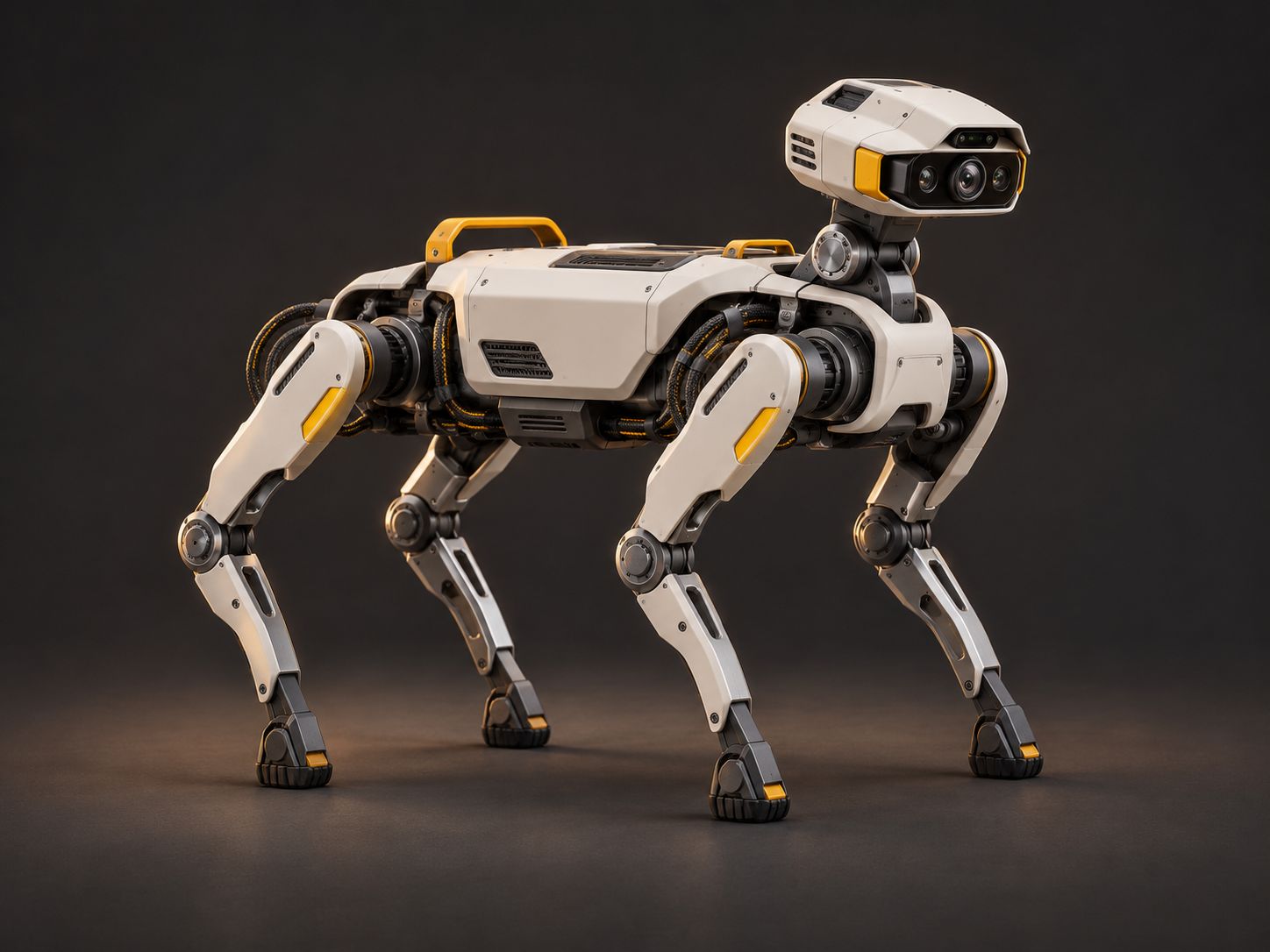
Legged robots and robotic dogs
Leg mechanisms, joint drives, body packaging and inertial sensing, integrated with gait control and simulation-led behavior development for the intended operating envelope.
AI-generated concept render. Not a Silicons Brain product or client project.
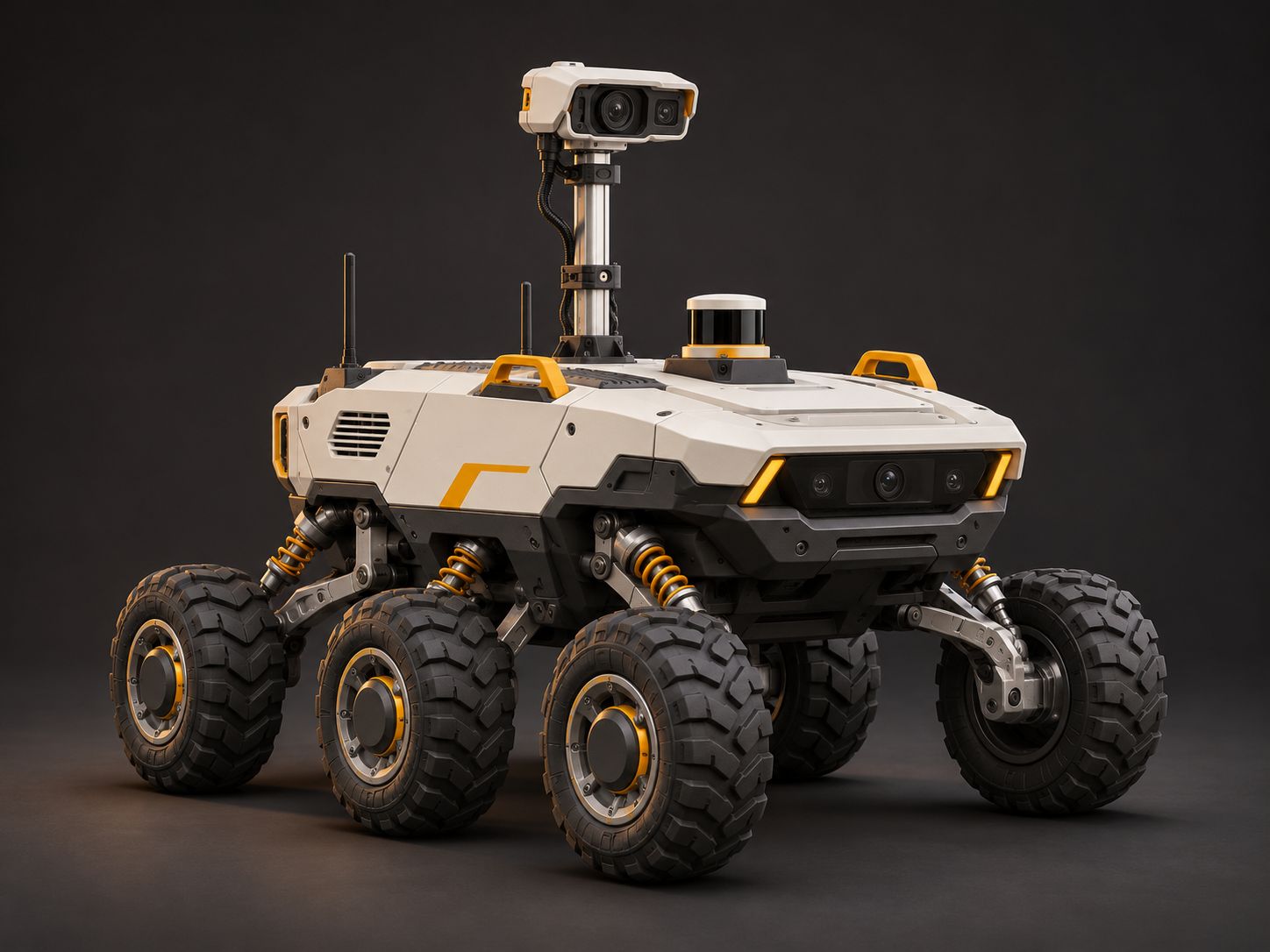
Wheeled robots and rovers
Chassis, drivetrain, suspension, power distribution, sensing and embedded control, connected to teleoperation or autonomy software as required by the project’s actual scope.
AI-generated concept render. Not a Silicons Brain product or client project.
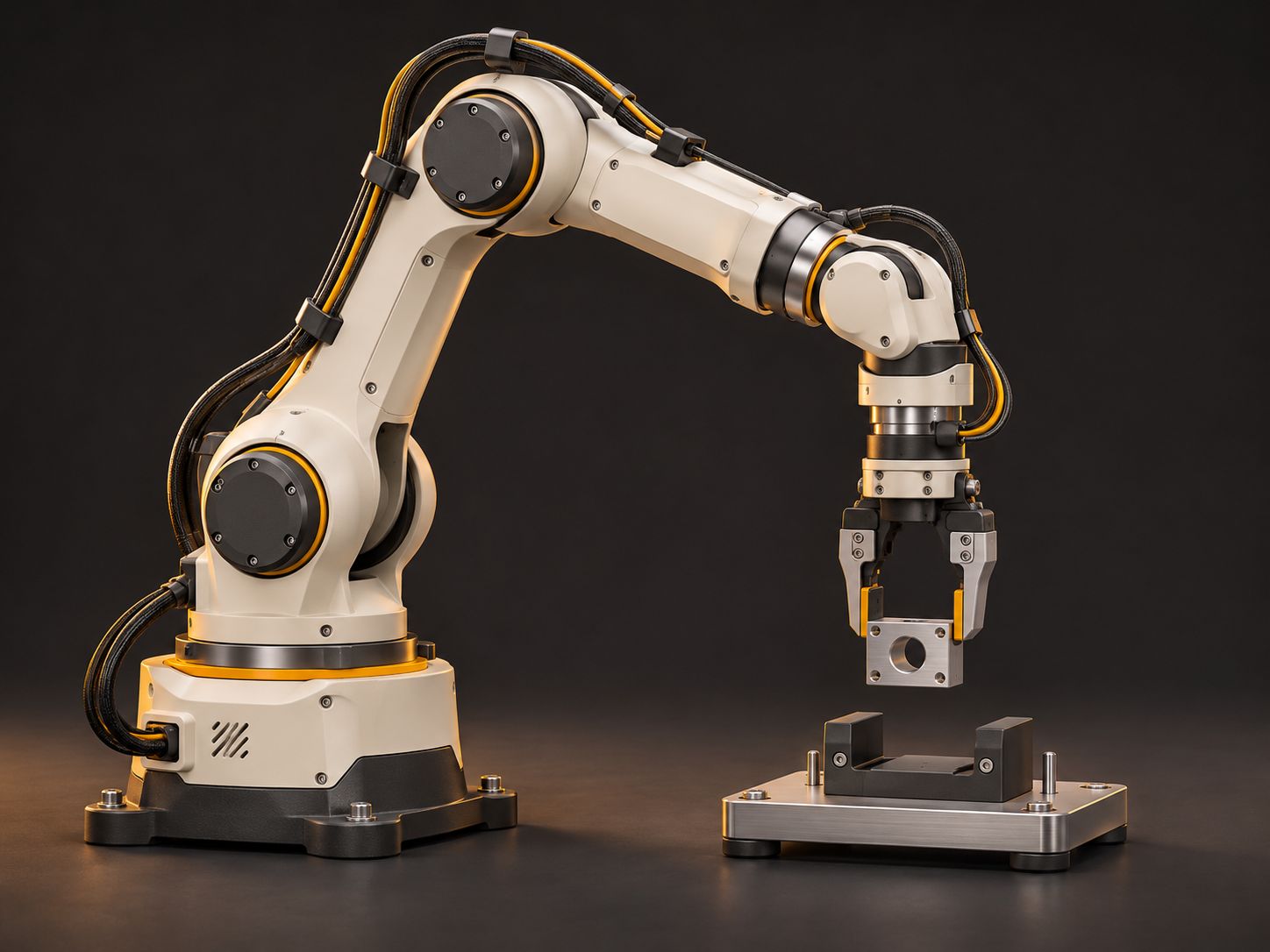
Robotic arms, grippers and pick-and-place
Workspace and kinematics, joint actuation, gripper mechanisms and end-effector tooling, combined with trajectory execution and control for handling and placement tasks.
AI-generated concept render. Not a Silicons Brain product or client project.
BExpertise
Engineering across the whole robot
Robotics development is shaped by the interaction between structure, actuators, electronics, firmware and control. We work across these boundaries so the mechanism, hardware interfaces and robot behavior are developed around the same operating requirements.
Mechanical & mechatronic design
We translate operating requirements into the robot’s mechanical architecture: kinematic layout, joint arrangement, range of motion, actuator and transmission selection, structural packaging and service access. CAD assemblies, interfaces, tolerances and fabrication details are developed with electronics, cabling, sensing and assembly in mind.
Potential scope
- Mechanism design
- Actuator sizing
- Gearbox and transmission integration
- CAD assemblies and drawings
- Tolerance review
- Design for manufacture and assembly
Load analysis and validation are specified for the actual operating case.
Electronics & hardware development
The electronics architecture connects sensing, computation, power and actuation. We develop hardware around the electrical loads, sensor requirements, communication links and physical constraints of the machine, including integration between custom boards and selected modules.
Potential scope
- Circuit and PCB design
- Power distribution
- Sensor interfaces
- Motor-driver integration
- Connectors and wiring architecture
- Electronics bring-up
Protection, battery-management and test requirements are agreed for each application.
Embedded systems & firmware
Embedded software forms the interface between the control system and the physical hardware. We develop firmware for sensor acquisition, actuator communication, feedback and telemetry, with attention to timing, fault handling and observability during integration and testing.
Potential scope
- Microcontroller firmware
- Encoder and IMU integration
- Communication over interfaces such as CAN, UART, SPI or I²C
- Device drivers
- Diagnostics
- Real-time task structure where required
Firmware uses the controller and toolchain selected for the project.
Motion & control systems
We develop control around the robot’s geometry, dynamics and actuator limits. Joint-level feedback, trajectory generation and sensor feedback are integrated with the mechanical system so commanded behavior can be evaluated against the real operating requirements.
Potential scope
- Forward and inverse kinematics
- Feedback and feedforward control
- Joint position, velocity and effort interfaces
- Trajectory generation
- Estimation
- Controller tuning
Advanced control methods are named in a scope only where they are part of the agreed work.
ROS 2 & robot software integration
A coherent robot software architecture connects hardware interfaces, robot descriptions, coordinate frames, state feedback and higher-level behaviors. We work with ROS 2 and ros2_control to connect controllers with the underlying robot hardware.
Potential scope
- URDF/Xacro robot models
- Coordinate frame relationships
- Hardware-interface plugins
- Controller integration
- Joint-state feedback
- Trajectory execution
Navigation, perception or manipulation planning can be integrated where the project requires them, using the ROS 2 distribution and package versions chosen for the project.
Simulation & reinforcement learning
Simulation lets robot behavior be explored before a physical system is exposed to the full task. We work with simulation-led development and reinforcement-learning workflows where they fit the problem, with evaluation and hardware constraints considered from the outset.
Potential scope
- Environment and task design
- Observation and action definitions
- Reward design
- Policy training and evaluation
- Domain randomization
- Staged sim-to-real validation
Actuator response, sensing, delay and physical limits must be considered when transferring a simulated behavior to a real machine. Simulation results do not guarantee hardware results.
How the areas connect
- Actuator sizing sets the current the motor drivers must supply, which shapes power distribution and the wiring architecture.
- Encoder and IMU firmware determine the feedback rate and timing the motion controller can rely on.
- The robot description used by ROS 2 and the simulator follows the CAD kinematics, so trajectories and learned policies are evaluated against the geometry that will be built.
CProcess
How a robotics engagement is structured
A typical sequence. Timing and outcomes depend on the scope agreed for your project.
Understand the requirement
What the robot must do, where it will operate, and the constraints that matter: budget, timeline, quantity and any existing designs.
Agree the scope
Mechanical, electronics, firmware and software responsibilities, deliverables and review points are agreed for your project.
Design and prototype
Concepts are developed into designs and physical prototypes for evaluation.
Integrate and test
Subsystems are brought together and tested against the agreed requirements.
Handover
The agreed deliverables are handed over, as defined in the project scope.
DDeliverables
What a project can hand over
Depending on the agreement:
- CAD assemblies and fabrication drawings
- Selected hardware design files
- Firmware and robot software
- Integration and calibration notes
- Test procedures or results
Ownership, licensing, documentation and support are agreed in the project scope.
Confidential work
Client project details are not published without permission. Start with a non-confidential overview of what you want to build, its intended use and the development stage. Detailed technical information can follow through the project process agreed with your team.
Contact
Discuss a robotics project
Share a non-confidential overview: what the robot needs to do, where it will operate, your development stage and timeline.
Robotics development worldwide. Manufacturing in Pakistan.